Due to colonialism, the relationship of Indigenous Peoples to fire has been impacted by settler-colonial wildfire management. As more frequent and intense wildfires occur each year and more Canadians are placed at risk, it is increasingly recognized that Indigenous Fire Stewardship as well as settler and state-led wildfire science are complementary ways of knowing. Specifically, Indigenous Knowledge can inform and improve the ways wildland fires are managed and how landscapes are stewarded to being fire adaptive.
In response, an Indigenous Wildland Fire Management Working Group was initially started by Natural Resources Canada under the guidance of Indigenous partners. Work to date has led to the Indigenous Wildland Fire Management Working Group renaming itself through a Naming Ceremony hosted in Tkʼemlúps te Secwépemc. Through the naming ceremony, the Thunderbird Collective was born.
The TCSC is currently housed in the Indigenous Leadership Initiative (ILI).
Vision
Inspired by Indigenous ways of knowing and ancestral stories of the Thunderbird, the Thunderbird Collective envisions a future where Indigenous Fire Stewardship is recognized and practiced as a transformative approach to land, health, and community resilience.
Mission Statement
Grounded in the pillars of knowledge sharing, advocacy, land-based cultural practices, and sovereignty, the Thunderbird Collective is an Indigenous Fire Stewardship network dedicated to restoring the sacred relationship between fire, land, and people—cultivating healthy landscapes, resilient communities, and multi-generational learning.
Guiding Values
The Thunderbird Collective’s guiding values aid us in rekindling our relationships with Indigenous fire stewardship:
Reciprocity with the Land.
Stewardship is based on mutual responsibility—humans care for the land and the land cares for humans.
Knowledge Sovereignty.
Indigenous Peoples hold the right to maintain, control, protect, and develop their traditional knowledge, including Indigenous-led fire practices.
Place-Based Knowledge.
Fire practices are specific to local ecologies, climates, and communities, and are not one-size-fits-all.
Intergenerational Knowledge Sharing.
Fire knowledge is passed down orally and through practice from Elders to Youth, ensuring cultural continuity.
Respect for Fire as a Living Being.
Fire is not just a tool—it is seen as a relative or spirit, with agency and purpose.
Relational Governance.
Decisions around fire are made through relationships—with community, ancestors, spirits, and the land.
Ceremony and Protocol.
Indigenous Fire Stewardship is often conducted with ceremony, honouring spiritual relationships with fire and the land.
Funding
The Thunderbird Collective currently has multi-year federal funding.
Activities
The Thunderbird Collective is involved in three main activities:
- Convening and hosting four working groups on:
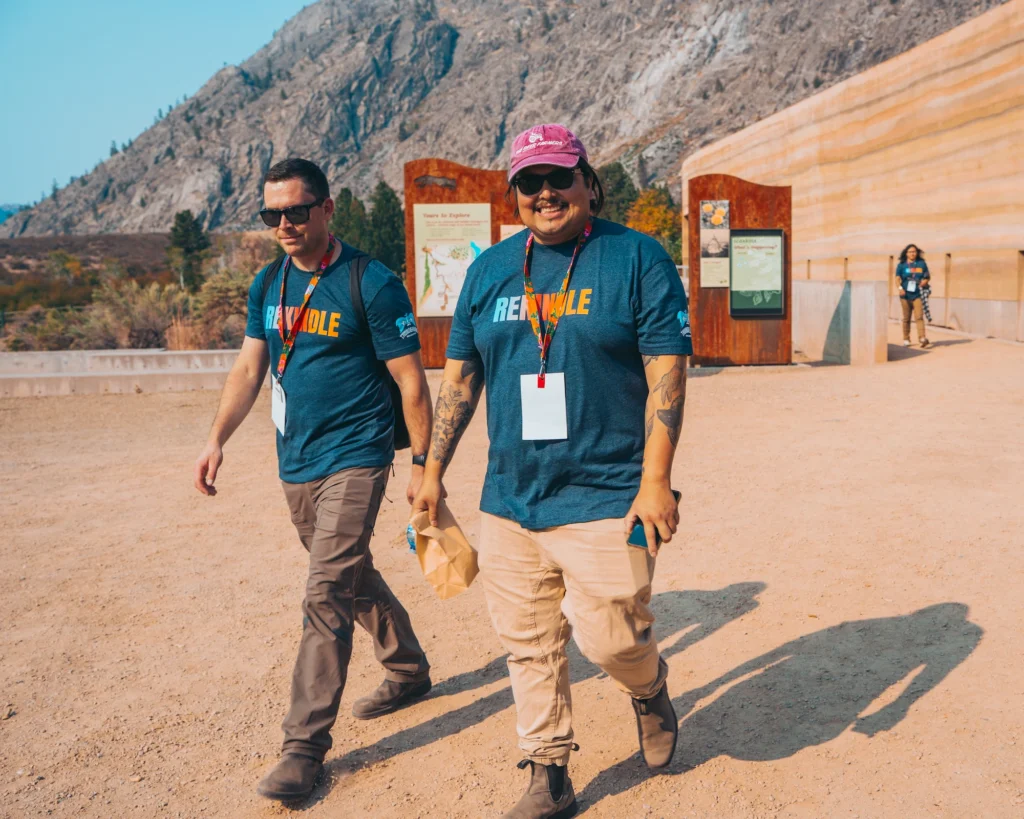
- Organizing and holding The National Indigenous Fire Gathering, held every two years; and
- Delivering the Fire Stewardship Grant program annually.